Explore capping machines for different closures and container formats. Share your cap, bottle or jar details and required output to compare suitable capping machinery.
Filter by production setup or search the specifications. Leave either field open if you are not sure yet.
Showing 15 of 15 machinesFinal performance and compatibility are confirmed against your product, pack and required output.
Automatic
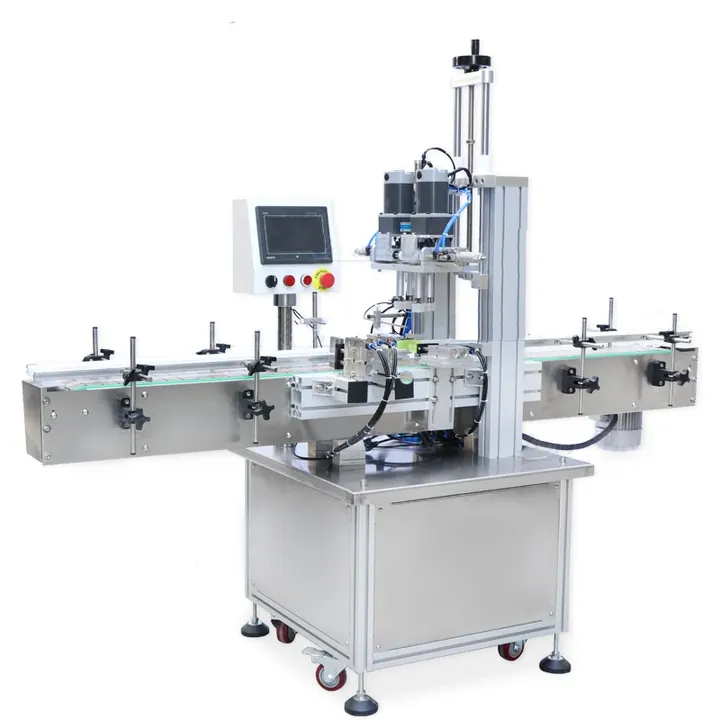
Automatic Screw Capping Machine (Spray & Pump)
Pneumatic inline screw capping for spray and pump bottles. LUXG16 handles caps 18–70 mm and bottles 20–160 mm at 20–60 bottles/min with stable, adjustable torque.
Automatic dropper and nail‑polish bottle capper with vibratory bowl sorter. Imitates a human hand to place caps gently, then tightens with four rubber wheels for a smooth finish.
High‑speed inline screw capping for round plastic bottles. LUXG440B uses guided side‑belt transport and optional cap elevator to achieve 3000–5000 BPH.
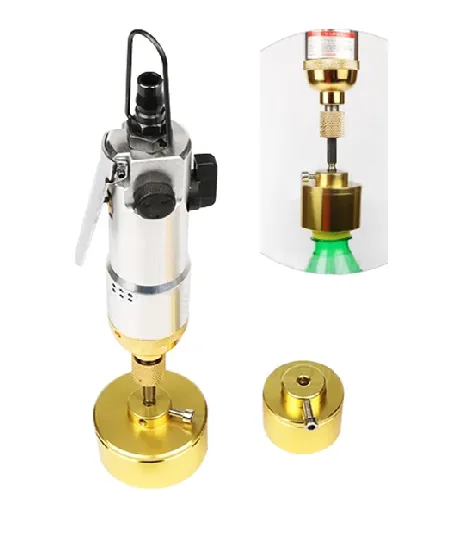
Pneumatic perfume spray and collar-ring crimping with interchangeable heads. Handles FEA 13–20 mm sizes and adjustable bottle heights for fast, repeatable sealing.
Inline pilfer‑proof (ROPP) capping for glass bottles. LUXG440Z removes the rotary table for straight‑line handling and adds bottleneck support for delicate containers.
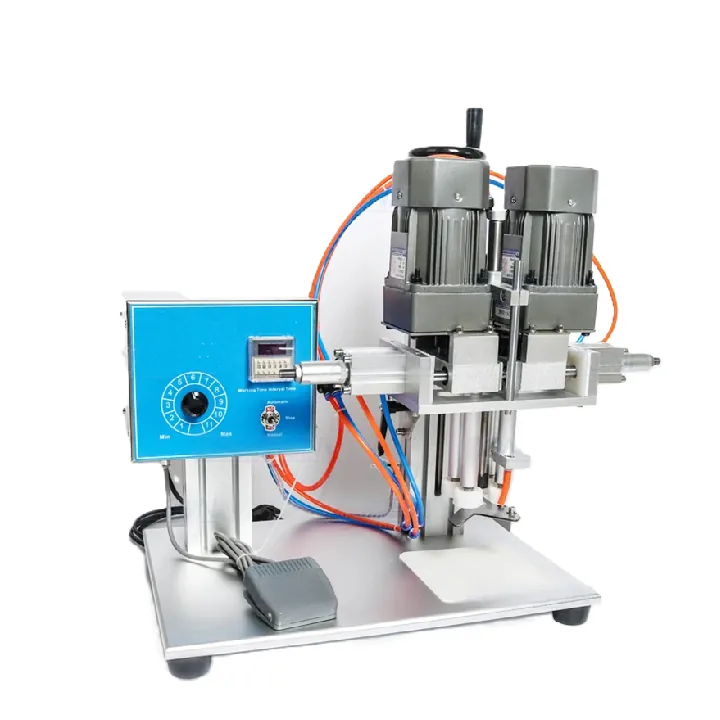
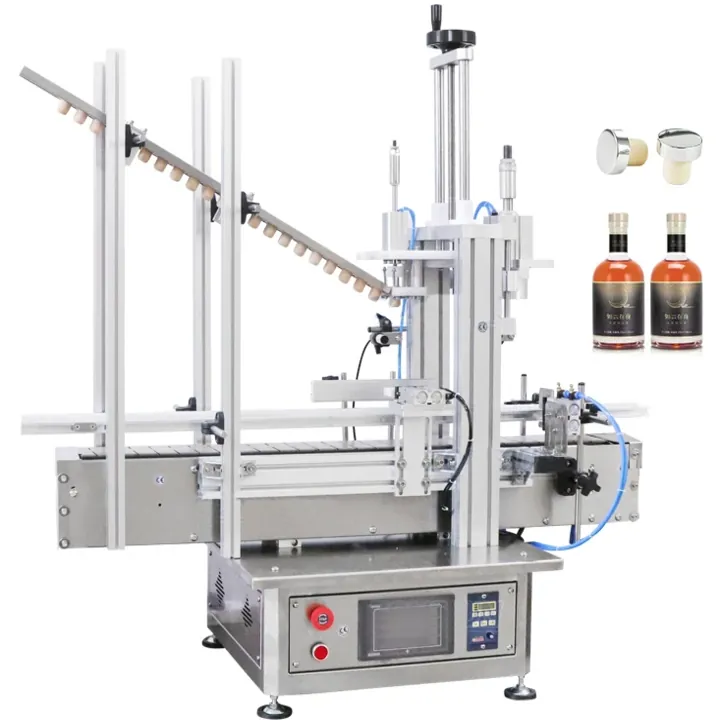
Automatic linear T‑cork press for wine & spirits. LUXG16D2 uses a customised pressing head and optional vibratory bowl to insert T‑corks at 20–60 bottles/min.
Desktop T‑cork pressing machine for liquor and wine bottles. Automatically orients (optional bowl), positions and presses T‑corks into glass bottles with consistent force—ideal for gin, vodka, whisky and.
Fully automatic crown cap press for beer and soda bottles. LUXG440E feeds caps, separates bottles, presses and crimps crowns for a secure seal at up to 2000 bottles/hour.
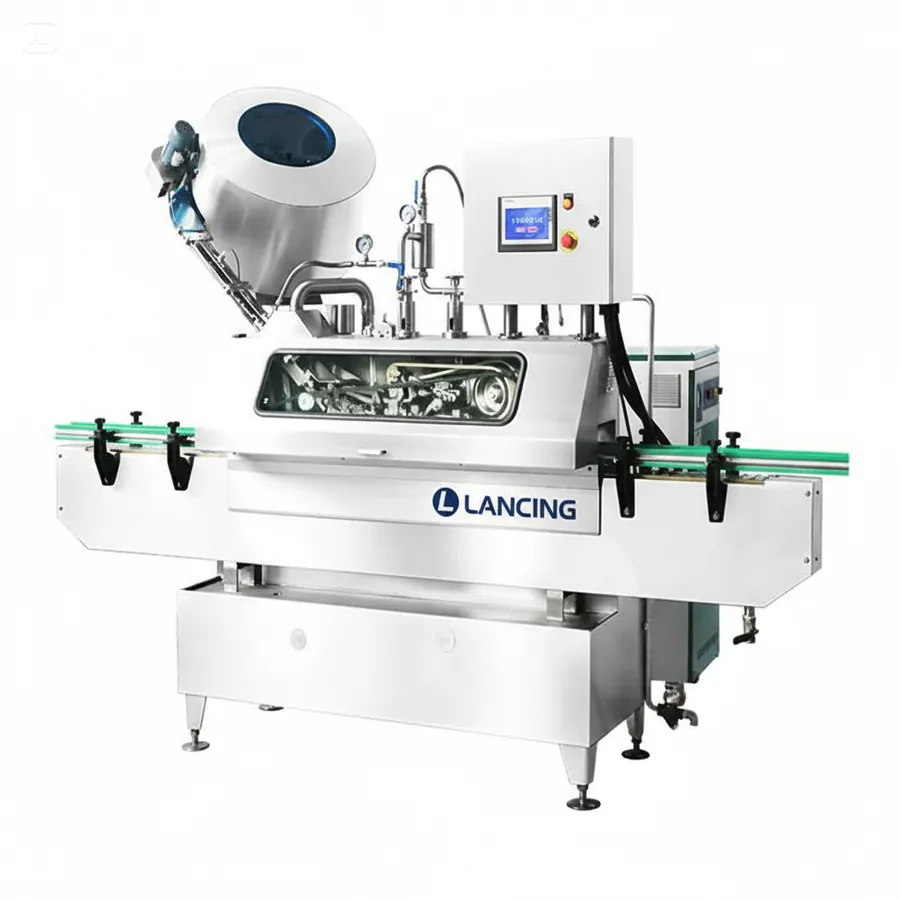
Automates cap feeding, steam injection and vacuum sealing to create airtight, hygienic closures on twist‑off caps. Ideal for sauces, jams and hot‑fill products.
Cap type, container stability, closure dimensions and required tightening control affect equipment selection. A change of cap or container may require different handling or tooling.
Use the existing range cards to compare options, then discuss the application with the Lancing team. Capacity and compatibility depend on the machine and application.
Frequently asked questions
Which details should I send for a capping enquiry?
Send your closure type, cap and container dimensions, product details and target output. Photos or samples help clarify handling requirements.
Can a capper work with existing filling equipment?
Integration depends on machine heights, transfer arrangements, controls and the product flow. Share the existing line layout for review.
Tell us what you are packaging and the output you need. We will use the page reference to route your enquiry to the right machinery specialist.
Start with the closure mechanism and complete component set
Identify whether the closure is screwed, crimped, rolled, pressed or otherwise applied, and send the final container and closure together. For pumps, triggers and droppers, include the complete assembly rather than the cap shell alone. The handling requirement before tightening or application can be as important as the closing step itself.
Agree the required finished condition and how it is checked. Distinguish secure application, tamper features and any final orientation requirement. Ask each proposal to state the manual loading, feeding and inspection work included so different automation levels can be compared fairly.
Component identity
Record container neck and closure references, including liners and inserts where used.
Application evidence
Retain the accepted finished sample and the check used during assessment.
Does matching cap diameter prove capping compatibility?
No. Closure mechanism, thread or finish, container support, component presentation and the required finished result must also be assessed.
Message sent
Thanks — your message has been sent. We’ll get back to you shortly.